
What causes acid reflux (and why antacids make it worse)
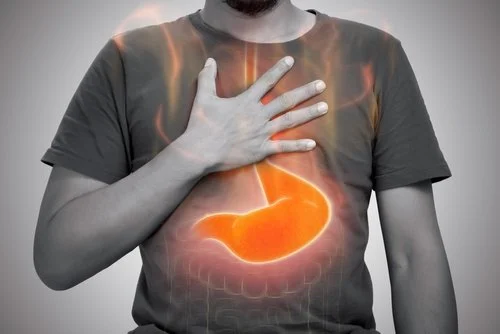
If you’ve ever dealt with acid reflux, you already know the drill. The burning in your chest after a meal. The sour taste creeping up into the back of your throat. The late nights propped up on pillows because lying flat makes everything worse. It’s uncomfortable, it’s disruptive, and for a lot of people, it’s constant.
And the advice you’ve probably been given? Take an antacid. Pop a Tums. Get a prescription for a proton pump inhibitor. Reduce the acid. That’s the playbook most people are handed, and on the surface it makes sense. You feel acid, so reduce the acid. Problem solved.
Except for a lot of people, the problem isn’t solved. The symptoms come back the moment the medication wears off. The dose gets increased. The prescription gets renewed indefinitely. And at no point does anyone stop and ask the most important question: why is this happening in the first place?
Here’s where things get interesting, and where everything you’ve been told about acid reflux might need a serious second look. What if the issue isn’t that you’re producing too much acid? What if, for a significant number of people dealing with reflux, the real problem is actually the opposite? That might sound counterintuitive, but it’s well supported by research and it’s something I see confirmed over and over again in clinical practice. Many of the people who are told they have excess acid and are put on acid-reducing medication actually have insufficient acid production, and the medication is suppressing the very thing their body needs more of.
In this post, I’m going to walk you through how acid reflux works mechanically, the essential role stomach acid plays in your digestion (it’s doing a lot more than you think), the real root causes that are driving reflux for most people, what long-term acid-suppressing medications are actually doing to your body, and what a root cause approach looks like when you stop chasing symptoms and start asking better questions. Because acid reflux is a symptom. It’s not a diagnosis. And treating a symptom without understanding the cause is exactly why so many people stay stuck in the cycle of suppress, flare, repeat for years without ever getting real answers.
How Acid Reflux Actually Works
Let’s start with the basics, because most people have experienced acid reflux but very few actually understand what’s happening mechanically when it occurs. And understanding the mechanics changes everything about how you think about treatment.
When you swallow food, it travels down your esophagus and reaches a muscular valve at the bottom called the lower esophageal sphincter, or LES. Think of the LES as a gate. Its job is to open to let food pass into the stomach, and then close tightly behind it to keep everything in the stomach where it belongs. When this system is working properly, food goes down, the gate closes, and stomach acid stays in the stomach doing its job.
Acid reflux happens when that gate malfunctions. And there are two ways this happens, which is where most people only get half the story.
The first is a weak or sluggish LES. If the LES isn’t closing tightly on its own, acid can splash back up into the esophagus simply because the gate is sitting open. Your stomach is designed to handle acid with its thick protective mucous lining built specifically for that environment. Your esophagus does not. So when acid hits the esophageal tissue, you feel it. The burning, the tightness, the discomfort, and the sour taste in the back of your throat.
The second mechanism is the one that almost nobody talks about, and it’s arguably the more common driver for people I work with. When food enters your stomach and doesn’t get broken down efficiently, whether because stomach acid is low, enzyme production is sluggish, or motility has slowed, that food sits. And when food sits in a warm, moist environment longer than it should, it starts to ferment. That fermentation produces gas. That gas has nowhere to go but up. And as it pushes upward, it forces the LES open from below, carrying whatever acid is present in the stomach up into the esophagus with it.
This is the part that changes the picture for a lot of people. Because in this scenario, the problem isn’t that you have too much acid. You might actually have very little. But the gas pressure from fermentation is pushing even that small amount of acid into a place it doesn’t belong, and you feel the burn just the same. You experience the exact same symptoms, the exact same heartburn, the exact same discomfort, but the underlying cause is completely different. And that difference matters enormously when it comes to treatment, because suppressing acid in a situation where acid is already too low is doing the opposite of what your body actually needs.
Before we get into the root causes, let’s quickly clarify some terminology that gets thrown around interchangeably but actually means different things. Heartburn is the symptom, the burning sensation you feel in your chest and throat. Acid reflux is the mechanical event, whether it’s acid splashing through a weak LES or being pushed up by gas pressure from below. And GERD, which stands for gastroesophageal reflux disease, is the clinical label given when acid reflux becomes chronic and recurring. They’re related, but they’re not the same thing. Heartburn is what you feel. Reflux is what’s happening, and GERD is what it gets called when it’s been happening long enough that someone gives it a name. But none of those labels tell you why it’s happening, and the why is everything.
The Role of Stomach Acid
This is the section that’s going to challenge a lot of what you’ve been told. And I want you to read it with an open mind, because if you’ve been living with acid reflux and managing it with antacids or PPIs, what I’m about to explain might reframe your entire understanding of what’s going on in your body.
What Stomach Acid Actually Does
Stomach acid, specifically hydrochloric acid or HCl, is not a design flaw. Your body produces it deliberately and for a very good reason. It’s one of the most essential components of healthy digestion, and it’s doing far more than most people realize.
First, it breaks down protein. When you eat meat, eggs, fish, legumes, or any protein-containing food, HCl is what begins the process of denaturing and breaking those proteins down into smaller components your body can actually absorb. Without adequate acid, protein digestion is incomplete, and that creates problems further downstream.
Second, it activates pepsin, which is the enzyme responsible for protein digestion in the stomach. Pepsin is produced in an inactive form and requires an acidic environment to switch on. If the pH in your stomach isn’t low enough (meaning not acidic enough), pepsin doesn’t activate properly and protein just sits there.
Third, stomach acid is your first line of defense against pathogens. Bacteria, parasites, and other harmful organisms enter your body through food and water constantly. A properly acidic stomach kills most of them on contact. When acid production is low, that defense system is compromised, and organisms that should have been neutralized get a free pass into your small intestine where they can set up shop and cause real problems.
Fourth, and this is the one most people have never heard, stomach acid signals the LES to close. Adequate acid production is one of the triggers that tells that lower esophageal sphincter to tighten up and stay shut. When acid is low, that signal weakens. The gate gets lazy, and reflux becomes more likely, not less.
And fifth, stomach acid triggers the cascade that follows. When the acidic contents of your stomach (called chyme) move into the small intestine, that acidity signals your pancreas to release digestive enzymes and your gallbladder to release bile. If the chyme isn’t acidic enough because stomach acid was insufficient, those downstream signals are weaker, enzyme and bile release is reduced, and the entire digestive process underperforms from that point forward.
So when you look at the full picture, stomach acid isn’t just involved in digestion. It’s the domino that starts the entire chain, and when the first domino is weak, everything after it falls differently.
The Low Stomach Acid Problem Nobody Talks About
Low stomach acid, clinically called hypochlorhydria, is far more common than most people realize, and it becomes increasingly prevalent with age. Research suggests that stomach acid production naturally declines as we get older, with some studies indicating that a significant percentage of adults over 60 have measurably low HCl output. But it’s not just an age-related issue. Chronic stress suppresses acid production. Nutrient deficiencies, particularly zinc, B vitamins, and chloride, impair the body’s ability to manufacture HCl. And ironically, long-term use of acid-suppressing medications can reduce your body’s acid-producing capacity even further, creating a cycle that’s very difficult to break.
Here's the part that stops most people in their tracks. The symptoms of low stomach acid look almost identical to the symptoms of high stomach acid. Burning after meals. Bloating and fullness that lingers long after eating. Excessive belching. The sensation of acid creeping up into the throat. Nausea. Discomfort in the upper abdomen. If you walked into a doctor’s office with those symptoms, the overwhelming likelihood is that you’d be told you have too much acid and handed a prescription to reduce it. The possibility that your acid might actually be too low is rarely, if ever, explored.
And here’s why that matters so much. Remember the fermentation mechanism we talked about in the last section? This is where it comes full circle.
This isn’t a theory, this is a pattern I see regularly with clients who have been on acid-reducing medication for years, sometimes decades, without ever improving. When we actually investigate what’s happening, their acid production is insufficient, not excessive. The medication was never treating the cause, it was suppressing a symptom while making the underlying problem worse. And once they understand that, everything shifts.
The Real Root Cause of Acid Reflux
Now that you understand what’s actually happening mechanically and why stomach acid isn’t the villain it’s been made out to be, let’s get into the real question. What’s actually causing your reflux? Because reflux doesn’t just happen for no reason. Something is driving it, and in most cases it’s more than one thing. These are the root causes I see most often, and they’re the things that rarely get investigated in a conventional setting where the default response is to hand you a prescription and move on.
H. pylori Infection
H. pylori is a bacterial infection that colonizes the stomach lining, and it’s one of the most common chronic infections worldwide. In fact, roughly 50% of the global population carries H. pylori, and here’s the thing most people don’t realize: many of them will never have a single symptom from it. H. pylori has coexisted with humans for thousands of years, and there’s an ongoing conversation in the research community about whether certain strains may actually play a neutral or even adaptive role in the gut ecosystem. So having H. pylori doesn’t automatically mean it’s causing your problems.
Where it becomes clinically significant is when specific virulence factors are present. Not all strains of H. pylori are created equal. Some strains are associated with greater inflammation, more damage to the stomach lining, and a higher likelihood of causing symptoms and complications. These are the strains that tend to disrupt stomach acid regulation, erode the protective mucous layer of the stomach, and impair LES function. Whether H. pylori becomes problematic also depends on bacterial load, meaning how much is present, as well as the overall state of the host’s immune system, gut environment, and existing inflammatory burden. Someone with a resilient gut and low levels of a less virulent strain may carry it their entire life without any issues. Someone with an already compromised gut, high levels of a virulent strain, and a system already under stress is a very different situation.
This is why context matters so much, and why I don’t take a one-size-fits-all approach to H. pylori when it shows up on stool testing. The GI-Map doesn’t just tell me whether H. pylori is present, it shows me the level and whether virulence factors are detected. That changes the clinical picture entirely.
The frustrating reality is that most people with reflux have never been tested for H. pylori in a way that gives them this level of detail. A standard breath test or blood antibody test can tell you if you’ve been exposed, but doesn’t tell you about the virulence factors or bacterial load, which is the information that actually matters when you’re trying to understand whether H. pylori is contributing to your symptoms or just along for the ride.
Stress and Nervous System Dysregulation
Your digestive system is controlled by your autonomic nervous system, and requires a parasympathetic state, the “rest and digest” mode, to function properly. When you’re in a sympathetic state, which is your fight or flight response, your body deprioritizes digestion because it’s focused on survival. Stomach acid production drops, motility slows down, the LES can become sluggish, and digestive enzyme output decreases. This made sense from an evolutionary standpoint when the stressor was a predator and the response was temporary. The problem is that most people today are living in a low-grade sympathetic state almost constantly.
Work stress, financial pressure, sleep deprivation, over-scheduling, doom scrolling, the mental load of managing a household and a career simultaneously. These aren’t acute threats, but your nervous system processes them the same way, and your digestion pays the price every single day. For the people I work with, this is almost always part of their picture. Their nervous system is running the show, and until that’s addressed, no amount of dietary changes or supplements is going to fully resolve their reflux. You can’t digest properly when your body thinks it’s under threat, and for a lot of people, that’s their baseline state.
Poor Digestive Function
Low stomach acid is often not an isolated issue. It’s usually part of a bigger picture that includes insufficient pancreatic enzyme production and sluggish bile flow. These three components, acid, enzymes, and bile, work as a team, and when one is underperforming, the others tend to follow.
We’ve already covered what happens when stomach acid is low. But when you add in weak enzyme output, proteins and carbohydrates aren’t being broken down completely in the small intestine either. And when bile flow is sluggish, whether because of a congested liver, a sluggish gallbladder, or the absence of a gallbladder altogether, fats aren’t being emulsified and absorbed properly. The result is food that isn’t moving through your system efficiently at any stage. It stagnates, it ferments, it produces gas, and that gas creates the upward pressure that drives reflux.
This is why I always look at the full digestive picture rather than zeroing in on one piece. Someone might come to me saying “I have acid reflux,” but when we actually investigate, what they have is a digestive system that’s underperforming across the board, and the reflux is just the loudest symptom. Addressing only acid without looking at enzymes and bile is like fixing one leg of a three-legged stool and wondering why it’s still wobbly.
Food Sensitivities and Inflammatory Triggers
You’ve probably been told to avoid spicy food, coffee, citrus, and tomatoes if you have reflux. And while those foods can absolutely aggravate symptoms for some people, that blanket recommendation misses the real picture entirely. Because for many people, the foods triggering their reflux aren’t on any standard “avoid” list.
For some people, it’s gluten creating a chronic inflammatory response in the gut. For others it’s dairy. For others, it’s eggs or corn or something they eat every single day without suspecting it. The issue in most cases isn’t that the food itself is inherently problematic. It’s that the food is creating an inflammatory response in the gut that’s already compromised, and that inflammation affects motility, LES function, and the overall environment of the digestive tract. When the gut lining is inflamed and reactive, everything becomes a potential trigger.
Elimination diets can help identify which foods are contributing, and they have their place as a short-term tool. But they don’t answer the question of why the gut became reactive in the first place. Removing trigger food provides relief, but it doesn’t fix the underlying dysfunction that made your body start reacting to that food. That’s an important distinction, because a lot of people end up on increasingly restrictive diets, cutting out more and more foods over time, without ever addressing the root cause of the reactivity itself.
SIBO and Gut Dysbiosis
Small intestinal bacterial overgrowth, or SIBO, has a well documented connection to acid reflux, and it ties directly back to everything we’ve been talking about. When bacteria overgrow in the small intestine, which is supposed to have relatively low bacterial populations compared to the large intestine, they ferment carbohydrates and produce significant amounts of gas. That gas creates abdominal pressure that pushes upward against the LES, and by now you know exactly what happens next.
Broader gut dysbiosis, which is an imbalance in the bacterial composition of the large intestine, also contributes to systemic inflammation and can impair overall digestive motility, which further compounds the problem. When the microbiome is out of balance, the entire digestive environment shifts, and reflux is one of many symptoms that can result. This is why reflux rarely exists in isolation. If you’re dealing with chronic reflux, think about what else is going on. Bloating? Gas? Irregular bowel movements? These aren’t separate issues. They’re all connected, and the reflux is simply the symptom that’s yelling the loudest. Addressing only the reflux while ignoring the broader gut picture is like turning down the volume on a smoke alarm without looking for the fire.
Hiatal Hernia
I want to briefly address hiatal hernia because if you’ve been investigated for reflux, there’s a good chance this has come up. A hiatal hernia occurs when the upper portion of the stomach pushes up through the diaphragm, which can physically compromise the LES and make it harder for that valve to do its job. If you’ve been told this is the cause of your reflux, that’s worth understanding, and it can absolutely be a contributing factor.
However, it’s also worth knowing that many people with hiatal hernias have no reflux symptoms at all, and many people with severe reflux don’t have a hiatal hernia. So while it’s a structural factor that can play a role, it’s rarely the complete picture. In my experience, even when a hiatal hernia is present, there are almost always functional root causes, like the ones we just covered, layered on top of it that are driving the bulk of the symptoms. Addressing those root causes often leads to significant improvement even when the structural component remains.
Putting It Together
When you step back and look at this full list, one thing becomes very clear. Acid reflux is not a condition caused by too much acid. It’s a downstream symptom of one or more underlying dysfunctions, whether that’s an infection, nervous system dysregulation, poor digestive function, food-driven inflammation, microbial imbalance, or a combination of several of these happening simultaneously. And until you identify which ones are driving it for you specifically, you’re treating symptoms in the dark. That’s not a strategy. That’s a guessing game, and it’s why so many people spend years managing reflux without ever resolving it.
The Problem With PPIs and Long-Term Acid Suppression
I want to be clear about something before we get into this section. I am not anti-medication. Medications have their place, and proton pump inhibitors are no exception. For someone dealing with an active stomach ulcer, severe esophageal damage, or a situation where short-term acid reduction is genuinely necessary to allow tissue to heal, PPIs can be an appropriate and important tool. That’s not the issue. The issue is what happens when a medication designed for short-term use becomes a permanent fixture in someone’s daily routine without anyone ever revisiting whether it’s still necessary or what it’s doing to the body over time.
What PPIs Actually Do
PPIs, which include medications like omeprazole, pantoprazole, esomeprazole, and lansoprazole, work by shutting down the proton pumps in the stomach lining that are responsible for producing hydrochloric acid. They are extremely effective at what they do. Acid output drops significantly, the burning stops, and symptoms improve quickly. For a lot of people, that relief feels like an answer. And in the short term, it can be.
But most clinical guidelines recommend PPI use for 4 to 8 weeks for the majority of indications. That’s the window they were designed and studied for. Yet millions of people are taking them for months, years, and in many cases decades, often because nobody ever told them they were meant to be temporary, and because stopping them feels impossible due to the rebound effect we’ll get to in a moment.
What Happens When You Suppress Acid Long-Term
When you understand what stomach acid does, and we covered this in detail earlier, it becomes a lot easier to understand why suppressing it for extended periods creates a cascade of secondary problems. This isn’t speculation, these are documented, research-backed consequences of long-term acid suppression.
Nutrient malabsorption is one of the most significant. Stomach acid is required for the proper absorption of several critical nutrients, including vitamin B12, iron, calcium, magnesium, and zinc. Long-term PPI use has been consistently associated with deficiencies in all of these, and those deficiencies don’t just exist in a vacuum. B12 deficiency affects energy, neurological function, and mood. Iron deficiency leads to anemia and fatigue. Calcium and magnesium deficiency affects bone density and cardiovascular health. Zinc deficiency impairs immune function and ironically, further reduces your body’s ability to produce stomach acid. So the medication creates deficiencies that make the original problem worse.
Increased susceptibility to infections is another well-documented concern. Your stomach acid is one of your primary defenses against pathogens entering through food and water. When you suppress that acid, you’re essentially leaving the front door open. Research has linked long-term PPI use to increased risk of C. difficile infections, which can be serious and difficult to treat, as well as a higher incidence of SIBO. And SIBO, as we covered in the root causes section, is itself a driver of reflux. The medication doesn’t just mask the symptom, it can actively contribute to the conditions that perpetuate it.
Then there’s rebound hypersecretion, which is the mechanism that traps people in the PPI cycle. When you take a PPI for an extended period and then try to stop, your stomach often responds by overproducing acid, sometimes producing significantly more than it did before you started the medication. The result is a surge of symptoms that feels worse than what you were originally dealing with, which convinces most people that they can’t function without the medication. So they go back on it, and the cycle continues. What most people aren’t told is that this rebound effect is temporary, it’s a physiological response to the withdrawal of the drug, not evidence that you actually need it forever. But without that information and without proper support through the transition, most people never make it through to the other side.
Bone density is one more concern worth flagging. Long-term PPI use has been associated with increased fracture risk, particularly in the hip, wrist, and spine, likely related to impaired calcium absorption over time. For anyone taking PPIs for years, especially women approaching or past menopause, this is a relevant conversation to be having with your healthcare provider.
The Cycle That Keeps People Stuck
Let me paint a picture that you might recognize. Reflux starts. You go to the doctor. You describe the burning, the discomfort, the disruption to your daily life. You get a prescription for a PPI. Within days, the symptoms improve and you feel better. The prescription gets renewed at your next visit because the symptoms came back when you tried to skip a dose. Months pass, then years. Nobody investigates why the reflux started in the first place. Nobody mentions that the medication was meant to be temporary. Meanwhile, you’re developing nutrient deficiencies, your gut microbiome is shifting, your susceptibility to infections is increasing, and the underlying root cause, whether it’s low acid, H. pylori, SIBO, stress, or some combination of all of them, is sitting there untouched, quietly getting worse.
This isn’t criticism of the doctors prescribing these medications. Most are working within a system that prioritizes symptom management over root cause investigation, and they’re operating with limited time per patient and limited training in functional approaches to digestive health. But the result for the person taking the medication is the same. They end up stuck in a cycle of suppress, flare, repeat, often feeling worse overall than when they started, with no clear path forward and no understanding of why they needed the medication in the first place.
That's not a solution. That’s a holding pattern. And you deserve more than a holding pattern.
What a Root Cause Approach Actually Looks Like
If you’ve made it this far, you’re probably thinking one of two things. Either “this explains so much about what I’ve been experiencing” or “okay, so what do I actually do about it?” And the honest answer is that it depends entirely on what’s driving your reflux specifically. That’s not a cop-out. That’s the whole point. The reason so many people stay stuck is because they’ve been given generic solutions to a problem that isn’t generic. What works for someone whose reflux is driven by H. pylori is completely different from what works for someone whose reflux is driven by chronic stress and low acid production, which is completely different from someone dealing with SIBO and food-driven inflammation. The approach has to match the cause, and the cause has to be identified first.
Investigate Before You Intervene
This is the principle that guides everything I do with clients, and it’s the opposite of how most people’s reflux has been managed. Instead of assuming the problem is too much acid and suppressing it, you actually look at what’s happening. Functional stool testing, specifically the GI-Map, gives us a window into what’s going on inside the digestive system that you can’t see from the outside. It identifies whether H. pylori is present and whether virulence factors are involved. It shows markers of pancreatic enzyme sufficiency, so we can see whether your body is producing enough enzymes to break food down properly. It reveals inflammatory markers that tell us whether the gut lining is under stress. It maps the balance of your microbiome so we can identify dysbiosis or overgrowths that could be contributing to fermentation and gas production. And it shows immune markers that tell us how your gut’s defense system is functioning overall.
That’s the difference between guessing and knowing. And once you know, you can build a plan that’s actually targeted to what your body needs instead of throwing generic recommendations at a wall and hoping that something sticks.
Support Digestive Function Instead of Suppressing It
Once you understand what’s driving the reflux, the goal shifts from suppressing symptoms to restoring the function that’s been compromised. And while the specifics vary from person to person, there are some foundational principles that apply broadly.
How you eat matters just as much as what you eat, and this is the piece that most people underestimate. Eating in a parasympathetic state, meaning sitting down, slowing down, chewing thoroughly, and not rushing through meals while stressed, scrolling your phone, or standing at the kitchen counter, makes a measurable difference in stomach acid production, enzyme output, and LES function. Your body cannot digest properly when your nervous system is in fight or flight mode. For some people a single shift, simply changing the conditions under which they eat, produces noticeable improvement in their reflux before anything else is even addressed.
Supporting the body’s own acid and enzyme production is another key piece when testing confirms that levels are low. Bitter foods and herbs have been used for centuries to naturally stimulate digestive secretions, and there’s a reason they work. They activate receptors on the tongue that signal the stomach to start producing acid and the pancreas to ramp up enzyme output. Incorporating bitter greens like arugula, dandelion, or radicchio, or using a digestive bitters formula before meals, can be a helpful short-term support while the deeper work is underway.
Apple cider vinegar before meals is something you’ve probably seen recommended all over the internet for reflux. For some people, small amounts diluted in water before a meal can provide short-term relief by mildly increasing the acidity of the stomach environment. A shot of it when you feel acid reflux can help as well, instead of taking a Tums or Pepto Bismol. But it’s not treating the root cause, and for people with active inflammation, ulceration, or significant esophageal irritation, it can sometimes make things worse. It’s a tool that has its place for certain people, not a blanket fix.
Addressing nutrient deficiencies that support your body’s ability to produce acid on its own is also part of the bigger picture. Zinc, B vitamins, and chloride are all essential for HCl production, and if you’ve been on acid-suppressing medication for an extended period, there’s a reasonable chance your levels are depleted. Restoring those nutrients gives your body the raw materials it needs to start producing acid at the levels it should be.
Address The Nervous System
I keep coming back to this because it really cannot be overstated. If your nervous system is stuck in a chronic stress response, your digestive system will never fully function the way it’s designed to. Acid production will remain suppressed. Motility will stay sluggish. The LES will underperform. Enzyme and bile output will be reduced. You can take every supplement on the shelf and eat a perfect diet, and you’ll still have reflux if your body is operating from a state of fight or flight at every meal.
Nervous system regulation isn’t a bonus add-on to gut healing. It’s foundational. And for a lot of people, it’s the piece that finally unlocks progress after years of feeling stuck. What that looks like practically will vary from person to person, but the principle is the same: your body has to feel safe enough to digest. If it doesn’t, everything else you do is fighting against a system that’s prioritizing survival over digestion.
Why This Matters
The reason I’m walking you through all of this isn’t to hand you a DIY protocol. It’s to show you the difference between what you’ve likely been experiencing, which is symptom suppression without investigation, and what’s actually possible when someone takes the time to figure out what's going on. Every person's reflux has a specific set of drivers, and those drivers are identifiable. Once you know what they are, you can address them directly instead of managing symptoms indefinitely and hoping for the best. That's not just a different approach. It's a completely different outcome.
Conclusion
Acid reflux is one of those conditions that gets treated like it's simple when it's anything but. You feel the burn, you take something to reduce the acid, and you move on. But as we've covered in this post, that approach skips over the most important part of the conversation entirely: why is the reflux happening in the first place?
For a lot of people, the answer isn't too much acid. It's too little. It's food fermenting in a stomach that doesn't have the acid levels needed to break it down efficiently. It's gas pressure forcing a weakened LES open from below. It's an H. pylori infection that's been quietly disrupting stomach function for years. It's a nervous system stuck in overdrive that won't let the digestive system do its job. It's a combination of these things layered on top of each other, none of which get resolved by suppressing the very acid your body needs to function.
And the medication that was supposed to help? For many people, it's become part of the problem. Not because it doesn't work at reducing acid, it does that very well, but because reducing acid was never the right solution when insufficient acid was the issue to begin with. Layering nutrient depletion, microbiome disruption, and rebound dependency on top of an already struggling digestive system doesn't move anyone closer to resolution. It moves them further away from it while creating new problems in the process.
The reason I wrote this post isn't to tell you to throw out your medication or to make you distrust your doctor. It's to give you information that you likely haven't been given before so you can start asking better questions about your own body. Because you deserve more than a prescription that manages a symptom indefinitely without anyone ever looking at the cause. You deserve to understand what's actually happening, why it's happening, and what it would take to resolve it instead of just suppressing it.
If you've been dealing with reflux for months or years, if the medication isn't giving you the relief it used to, if you've been told "you just have GERD" without anyone investigating what's behind it, or if you're starting to wonder whether suppressing acid is actually making things worse, this is exactly the kind of work I do with my clients. We don't guess. We test. We identify the specific root causes that are driving your symptoms. And we build a plan that addresses what's actually going on so you can get off the cycle of suppress, flare, repeat and start actually healing.
Head over to my services page if you're ready to stop managing and start resolving. Your gut has been trying to tell you something. Let's figure out what it is.