
It’s Not Just Salt: The Real Problem with Sodium and Heart Health
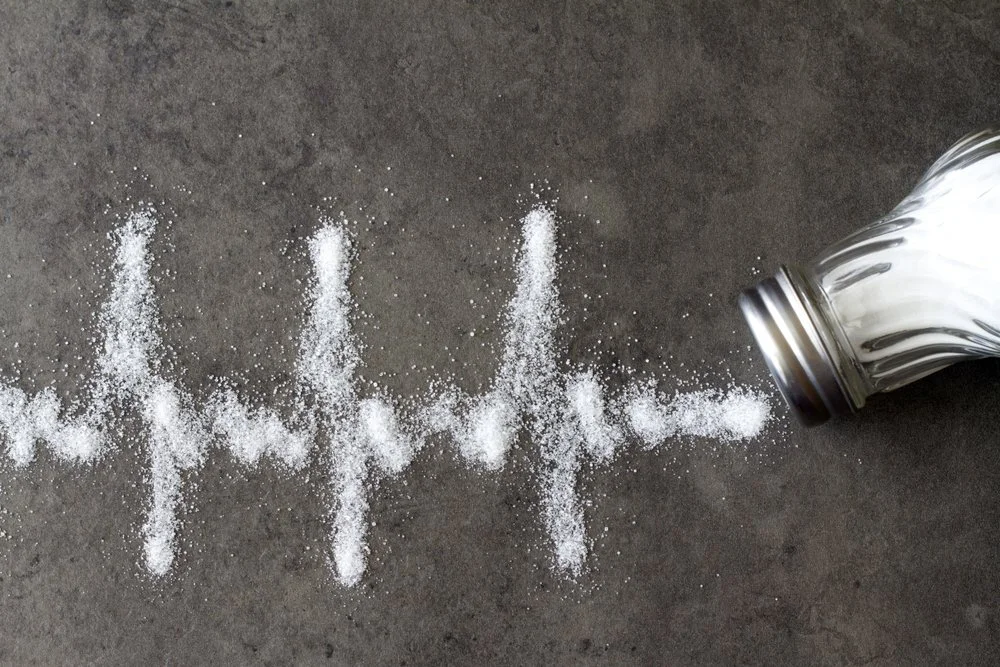
Every February, the conversation around heart health gets louder. And almost without fail, one piece of advice rises to the top:
Cut back on salt.
For decades, salt has been positioned as the villain in the story of blood pressure and heart disease. It’s often the first thing people are told to remove when labs shift or numbers creep up. The saltshaker gets blamed. Meals start tasting bland. And the assumption becomes simple…less salt equals a healthier heart.
But the reality is more layered than that.
Salt does play a role in fluid balance and blood pressure regulation. That part is true. What often gets lost, though, is context. The source of sodium, the balance of other minerals, the presence of ultra-processed foods, and even stress levels all influence how the body responds.
When we zoom out, it becomes clear that salt itself may not be the primary issue. In many cases, it’s the bigger dietary and lifestyle picture that matters far more.
Before you toss out your sea salt or start fearing every pinch added to your food, it’s worth looking at the full history.
Why Salt and Blood Pressure Became Linked
The Simple Explanation
The connection between salt and blood pressure isn’t completely made up. There is a physiological reason this advice became common.
Sodium helps regulate fluid balance in the body. When sodium intake increases, the body holds onto more water to maintain balance. More fluid circulating in the bloodstream can increase pressure against blood vessel walls. That increase in pressure in what we measure as blood pressure.
From this basic perspective, the logic seems straightforward: more sodium equals more fluid, which can mean higher blood pressure.
That explanation isn’t wrong. It’s just incomplete.
Not Everyone Responds to Salt the Same Way
One of the biggest oversimplifications in the salt conversation is the assumption that everyone is equally sensitive to sodium.
In reality, people vary significantly in how their bodies handle salt. Some individuals are considered “salt-sensitive,” meaning their blood pressure rises more noticeably when sodium intake increases. Other can consume moderate amounts of salt with very little impact on blood pressure.
What determines that difference? It isn’t just sodium intake alone.
Kidney function, genetics, stress hormones, vascular health, insulin levels, and overall metabolic health all influence how the body manages fluid and pressure. Blood pressure regulation is a multi-system process, not a single-variable equation.
When we reduce the entire conversation to “eat less salt, we ignore those other contributors.
Blood Pressure is Regulated by More Than Sodium
Blood pressure is influenced by several systems working together:
The kidneys regulate fluid and mineral balance
The nervous system influences vessel constriction and relaxation.
Hormones like aldosterone and cortisol affect sodium retention.
Blood vessel health impacts resistance and elasticity.
Inflammation can impair how vessels respond.
Sodium interacts with these systems, but it does not act alone.
If someone is under chronic stress, experiencing inflammation, consuming a highly processed diet, or dealing with metabolic imbalance, their blood pressure may shift even without excessive salt intake.
That doesn’t mean sodium is irrelevant, It means it’s one piece of a much larger picture.
The Real Sodium Problem: Ultra Processed Food
Salt From Your Kitchen Vs Sodium From a Package
When most people think about salt, they picture the salt shaker on the table. A pinch added to eggs. A sprinkle over roasted vegetables. A little in homemade soup.
But the majority of sodium in modern diets doesn’t come from food prepared at home. It comes from ultra-processed, prepackaged products. Breads, sauces, deli meats, frozen meals, snack foods and restaurant items.
These foods are engineered for shelf life and palatability. Sodium isn’t just added for flavour; it’s used for preservation, texture, and stability. And it often appears alongside refined carbohydrates, industrial oils, and additives.
That combination matters.
The issue is rarely the moderate use of salt in whole, home-prepared meals. It’s the chronic exposure to highly processed sodium in foods that are already metabolically stressful.
Why Processed Sodium Impacts the Body Differently
Sodium doesn’t exist in isolation in ultra-processed food.
It’s typically paired with rapidly absorbed carbohydrates, low fibre content, and a lack of protective nutrients like potassium and magnesium. This changes how the body responds.
Highly processed meals can spike blood sugar and insulin levels. Elevated insulin signals the kidneys to retain more sodium, which increases fluid retention. Over time, this pattern can contribute to shifts in blood pressure regulation.
At the same time, processed foods are often low in potassium, a mineral that helps balance sodium’s effects. When potassium intake is low and sodium intake is high, the ratio becomes skewed. That imbalance, rather than sodium alone, plays a significant role in blood pressure changes.
There’s also the inflammation piece. Additives, refined oils, and frequent glucose spikes can affect vascular health, reducing the flexibility of blood vessels. Less flexible vessels are more sensitive to pressure changes.
In this context, sodium becomes part of a larger metabolic picture, not the sole culprit.
The Gut Connection No One Talks About
Ultra-processed foods don’t just affect blood pressure through fluid retention. They also influence gut health.
Diets high in processed foods can alter the gut environment, impact microbial diversity, and increase low-grade inflammation. Inflammation affects blood vessel function and overall cardiovascular risk.
When the gut is under strain, mineral absorption may also be less efficient. This can disrupt the balance between sodium and other key electrolytes, further complicating the picture.
Again, it isn’t about demonizing salt. It’s about understanding the environment in which sodium is consumed.
When sodium comes packaged with fibre, potassium, antioxidants, and healthy fats, the body responds very differently than when it comes packaged with refined flour and additives.
Mineral Balance Matters More Than Salt Alone
Sodium and Potassium Are Designed to Work Together
Sodium doesn’t operate independently in the body. It works in partnership with other minerals, especially potassium.
Together, sodium and potassium help regulate fluid balance, nerve signalling, muscle contraction, and blood vessel tone. When they are in balance, the body can maintain stable blood pressure more efficiently.
Potassium encourages the relaxation of blood vessel walls and helps the kidneys excrete excess sodium. In simple terms, potassium softens sodium’s impact.
Whole, minimally processed foods tend to contain a natural balance of these minerals. Vegetables, fruits, legumes, and unprocessed proteins provide potassium alongside modest amounts of sodium.
The imbalance begins when sodium intake rises while potassium intake falls. A common pattern in diets high in processed foods and low in produce.
In that scenario, it’s not just about how much sodium is consumed. It’s about what’s missing.
Why Modern Diets Disrupt This Balance
The modern food environment makes mineral imbalance easy.
Ultra-processed foods are typically high in sodium and very low in potassium. At the same time, many people eat fewer whole foods than previous generations. This shifts the sodium-to-potassium ratio significantly.
When potassium intake is adequate, the body loses an important buffer. Blood vessels may become more reactive, and the kidneys may retain sodium more readily.
Over time, this imbalance can contribute to blood pressure shifts, even if total sodium intake hasn’t dramatically changed.
This is one reason simply “cutting salt” doesn’t always solve the problem. If potassium intake remains low and processed food intake remains high, the underlying imbalance persists.
Stress Changes How the Body Handles Sodium
Mineral balance is also influenced by stress.
Hormones like cortisol and aldosterone help regulate sodium and fluid retention. In times of stress, the body may hold onto sodium more aggressively. This is part of an adaptive response designed to maintain blood volume and circulation.
Chronic stress, however, can disrupt this finely tuned system.
For some people, prolonged stress contributes to fluid retention and blood pressure elevation. For others, especially those prone to low blood pressure, fatigue, or dizziness, cutting salt aggressively may make symptoms worse.
This is where context becomes critical.
If stress is high, sleep is poor, and overall load is heavy, adjusting salt alone may not address the deeper drivers of blood pressure regulation.
Where Digestion and Absorption Fit In
Mineral Balance Depends on What the Body Can Absorb
We often talk about how much sodium or potassium someone is consuming, but intake and absorption are not the same thing.
Minerals must be properly digested, absorbed through the intestinal lining, and transported into the bloodstream before they can influence fluid balance or blood pressure. That process depends on stomach acid, enzyme activity, and a well-functioning intestinal barrier.
If digestion is compromised, even mildly, mineral absorption may not be as efficient as it appears on paper.
This doesn’t mean someone is severely deficient. It means the body may not be using what’s available as effectively as it could.
When mineral balance is already tight, small inefficiencies can matter.
The Role of Stomach Acid and Intestinal Health
Stomach acid plays an important role in mineral ionization, helping prepare nutrients for absorption. If stomach acid is low, minerals like magnesium and potassium may not be broken down optimally.
Intestinal inflammation or irritation can also influence nutrient transport. The lining of the small intestine is responsible for absorbing electrolytes. If that lining is under stress, absorption patterns may shift.
Again, this is rarely dramatic. It’s usually subtle.
But subtle imbalances can influence how the body regulates fluid and vascular tone over time.
When Cutting Salt Make People Feel Worse
Some people notice something interesting when they aggressively reduce salt. They feel more fatigued, lightheaded, or dizzy when standing up.
In certain cases, this can reflect an electrolyte imbalance rather than excess.
If overall intake of potassium, magnesium, and other supportive nutrients is low, removing sodium without addressing the broader picture can create new symptoms.
This doesn’t mean salt is unlimited or irrelevant. It means the balance and context matters more than fear-based restriction.
Understanding digestion, absorption, and mineral ratios interact allow for a more thoughtful approach than simply eliminating the saltshaker.
When Sodium Reduction Truly Does Matter
Up to this point, the focus has been on nuance and context. But it’s equally important to say this clearly: sodium reduction can be appropriate and beneficial in certain situations.
The goal isn’t to dismiss established guidelines. It’s to understand where they apply.
Salt-Sensitive Hypertension is Real
Some individuals are more sensitive to sodium’s effects on blood pressure. In these cases, higher sodium intake can contribute to measurable increases in blood pressure.
Salt sensitivity can be influenced by genetics, kidney function, age, and underlying metabolic health. For these individuals, reducing sodium intake may help lower blood pressure alongside other supportive strategies.
This is not one-size-fits-all, but it is real.
Kidney Function Changes the Equation
The kidneys play a central role in regulating sodium and fluid balance.
When kidney function is impaired, the body may struggle to excrete excess sodium efficiently. In this context, sodium reduction becomes more clinically relevant.
This is why blanket advice doesn’t work in either direction. Someone with healthy kidney function and a whole-food diet is in a very different situation than someone managing chronic kidney disease.
Medical context does matter.
Severe Hypertension Requires Individualized Care
For individuals with significantly elevated blood pressure, especially those under medical supervision, dietary sodium reduction may be a part of a broader treatment plan.
In these cases, salt intake is one variable among many, alongside medication, weight management, physical activity, stress regulation, and metabolic factors.
The important takeaway is that sodium is part of a comprehensive strategy, not a standalone villain.
The Problem with Extremes
Where confusion often arises is in applying clinical-level sodium restriction to the general population without considering overall diet quality, mineral balance, stress load, and digestive health.
For some people, moderate sodium intake within a whole-food context is not the primary driver of cardiovascular risk.
Understanding when restriction is appropriate and when it’s unnecessary allows for a more balanced and sustainable approach.
A More Balanced Way to Think About Salt
When it comes to heart health, the conversation around salt has become overly simplified.
Sodium does influence fluid balance and blood pressure. That part is established. But it exists within a much larger system that includes mineral ratios, kidney function, vascular health, stress load, metabolic balance, and overall diet quality.
Focusing exclusively on the saltshaker can distract from the broader patterns that matter more.
For many people, the real shift comes from reducing ultra-processed foods rather than eliminating salt from whole, home-prepared meals. It comes from increasing potassium-rich vegetables and fruits. It comes from supporting digestion so minerals can actually be absorbed and used. And it comes from addressing stress, sleep, and lifestyle factors that influence blood pressure regulation at a deeper level.
This approach isn’t extreme. It’s balanced.
It recognizes that the body is adaptive and responsive. When mineral intake is balanced, when inflammation is reduced, and when stress is managed, blood pressure regulation often becomes more stable without fear-based restriction.
Salt isn’t inherently good or bad. It’s contextual.
Before automatically cutting it out, it’s worth asking a broader question:
Is the issue really salt? Or is it worth looking at diet and lifestyle?
Zooming out changes the conversation.
In Conclusion
Salt becomes the villain because it was an easy target. It’s measurable, visible, and simple to reduce.
But cardiovascular health is rarely driven by a single ingredient.
Mineral balance, diet quality, stress physiology, digestion, and individual health context all influence how the body regulates blood pressure. When those pieces are considered together, the conversation becomes less about fear and more about understanding.
Before you throw the saltshaker away, look at the bigger picture.
Heart health deserves nuance.