
B12 & Iron: Two Nutrients Your Energy Relies on
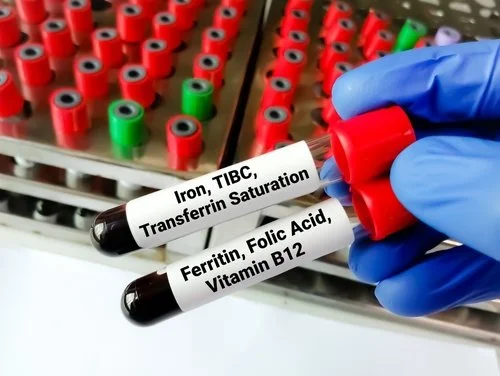
Fatigue is one of the most common concerns people bring up when they start paying closer attention to their health. It’s often attributed to poor sleep, busy schedules, stress, or simply getting older. In many cases, those explanations are reasonable. Modern life places constant demands on energy.
But sometimes the explanation is simpler than it first appears.
The body relies on a steady supply of nutrients to produce energy efficiently. When certain nutrients begin to run low, even slightly, the systems responsible for maintaining energy, concentration, and physical resilience can start to struggle. This often shows up as persistent tiredness, difficulty concentrating, or feeling like recovery takes longer than it used to.
Two nutrients that play a particularly important role in energy production are vitamin B12 and iron. Both are essential for the formation of healthy red blood cells and delivery of oxygen throughout the body. Without adequate levels, the tissues that rely on oxygen for energy production may not function as efficiently.
What many people do not realize, however, is that having enough of these nutrients in the diet is only part of the picture. Vitamin B12 and iron also depend heavily on proper digestive function in order to be absorbed and used by the body. When digestion is compromised, nutrient status can be affected even when someone is eating a balanced diet.
Understanding how these nutrients work (and how the body processes them) can help explain why fatigue sometimes persists despite otherwise healthy habits.
Why Vitamin B12 and Iron Matter for Energy
Energy production in the body is a complex process involving multiple systems working together. Cells require oxygen to generate energy efficiently, and the bloodstream is responsible for delivering that oxygen to tissues throughout the body.
Vitamin B12 and iron sit at the centre of this process. Both nutrients contribute to the production and function of red blood cells, which carry oxygen through the bloodstream. When levels begin to decline, oxygen delivery becomes less efficient, and energy production can suffer as a result.
Because of their roles in oxygen transport and cellular metabolism, even modest deficiencies in B12 or iron can influence how the body feels and functions on a daily basis.
Vitamin B12 and the Nervous System
Vitamin B12 is a water-soluble vitamin that plays several essential roles in the body. It supports the production of red blood cells, contributes to DNA synthesis, and helps maintain the health of the nervous system.
One of its most important functions is supporting the formation of healthy red blood cells, which carry oxygen through the bloodstream. When B12 levels fall, red blood cell production can become impaired, reducing the efficiency of oxygen delivery to tissues.
Beyond its role in the blood cell formation, B12 is also critical for neurological function. It helps maintain the protective coating around nerves and supports communication within the nervous system. When levels are low, people may experience symptoms such as fatigue, brain fog, difficulty concentrating, or tingling sensations in the hands and feet.
Because the nervous system and energy production are closely connected, disruptions in B12 status can affect both physical and cognitive performance.
Iron and Oxygen Transport
Iron is a mineral that plays a central role in oxygen transport. It is a key component to hemoglobin, the protein in red blood cells responsible for binding oxygen and carrying it from the lungs to tissues throughout the body.
When iron levels are adequate, this system operates efficiently. Oxygen is transported through the bloodstream and delivered to the cells that rely on it to generate energy.
When iron levels begin to decline, oxygen transport becomes less efficient. Cells may not receive the oxygen they require to produce energy at the same rate, which can contribute to symptoms such as fatigue, weakness, shortness of breath, or reduced endurance during physical activity.
Many people associate iron deficiency with anemia, but iron depletion can begin well before anemia develops. In these earlier stages, symptoms such as tiredness or reduced stamina may appear gradually and are often attributed to other lifestyle factors.
Understanding the role of iron in oxygen delivery helps explain why maintaining adequate levels is so important for sustaining daily energy.
Why Vitamin B12 and Iron Deficiency Are So Common
Vitamin B12 and iron are both essential nutrients, yet low levels are surprisingly common. Many people assume that deficiencies occur only in cases or poor diet or severe malnutrition, but that is rarely the full story.
In reality, a number of factors can influence nutrient status over time. Diet certainly plays a role, but so does life stage, physiological demands, and the body’s ability to absorb nutrients efficiently.
Understanding why B12 and iron levels can decline helps explain why fatigue and low energy sometimes appear even in people who feel they are eating reasonably well.
Dietary Patterns Can Influence Intake
Vitamin B12 is found primarily in animal-based foods such as meat, fish, eggs, and dairy products. Individuals who follow vegetarian or vegan diets may be at higher risk of developing low B12 levels if they are not intentionally including fortified foods or supplementation.
Iron is more widely distributed in the diet, but the form of iron present in food can influence how easily it is absorbed. Animal-based sources contain heme iron, which is generally absorbed more efficiently, while plant foods contain non-heme iron, which is absorbed at a lower rate and can be influenced by other components of the meal.
Modern dietary patterns can sometimes make it more difficult to maintain optimal intake. Highly processed foods often provide fewer naturally occurring nutrients, and restrictive eating patterns may limit dietary variety over time.
However, intake alone does not explain every case of low B12 or iron.
Increased Nutrient Demand
There are periods in life when the body’s demand for certain nutrient increases. During these times, maintaining adequate levels may require greater attention to intake and absorption.
For example, iron needs can be higher in individuals who menstruate, as iron is lost through blood each month. Pregnancy also increases the body’s demand for both iron and vitamin B12 due to the nutritional needs of the developing baby.
Athletes, growing adolescents, and individuals recover from illness or chronic stress may also experience increased nutrient demands. When intake does not keep pace with these needs, levels can gradually decline.
Because these changes often occur slowly, symptoms may develop subtly and may not be immediately recognized as nutrient-related.
The Role of Digestive Function
Even when dietary intake appears adequate, nutrient status can still be influenced by how effectively the digestive system processes and absorbs food.
Both vitamin B12 and iron depend on specific digestive conditions to be absorbed properly. Vitamin B12 must first be released from proteins in food in the presence of stomach acid, then bound to intrinsic factor before it can be absorbed in the small intestine. Iron absorption is also influenced by stomach acidity and the health of the intestinal lining.
If digestive function is impaired-whether due to low stomach acid, inflammation in the digestive tract, or imbalanced in gut bacteria-nutrient absorption become less efficient.
This means that someone can be eating foods that contain B12 and iron but still struggle to maintain adequate levels if the digestive system is not functioning optimally.
The Role of Digestion in B12 and Iron Absorption
When conversations about vitamin B12 and iron focus only on dietary intake, an important part of the story can be missed. Both nutrients rely on several steps within the digestive process before the body can absorb and use them effectively.
This means that digestive function plays a role in maintaining healthy nutrient levels. If any stage of digestion becomes compromised, absorption may become less efficient even when someone is eating nutrient-rich foods.
Understanding where digestion fits into the process can help explain why some individuals struggle with B12 or iron levels despite making thoughtful dietary choices.
Stomach Acid as the First Step
After food is swallowed, digestion continues in the stomach, where stomach acid plays a critical role in breaking down food and preparing nutrients for absorption.
For vitamin B12, stomach acid helps release the vitamin from the proteins it is bound to in food. Once freed, B12 can then bind to intrinsic factor, a specialized protein produced in the stomach that allows it to be absorbed later in the small intestine.
Iron absorption is also influenced by gastric acidity. Stomach acid helps convert iron into a form that is easier for the body to absorb. Without adequate acidity, this conversation may be less efficient, which can reduce the amount of iron that ultimately enters the bloodstream.
When stomach acid production is low, both of these processes can be affected, making it more difficult for the body to access these nutrients from food.
The Importance of the Small Intestine
After food leaves the stomach, nutrient absorption takes place primarily in the small intestine. Different nutrients are absorbed in different regions of this long and highly specialized structure.
Vitamin B12 is absorbed in the ileum, the final section of the small intestine. Iron, on the other hand, is absorbed earlier in the digestive tract, primarily in the duodenum.
For absorption to occur efficiently, the intestinal lining must be healthy and functioning properly. Inflammation, irritation, or imbalances in the gut environment can interfere with this process, reducing the body’s ability to absorb nutrients even when they are present in the diet.
Because B12 and iron are absorbed in specific areas of the small intestine, any disruption affecting those regions may influence nutrient status over time.
Why Deficiencies Often Develop Gradually
Unlike some nutrient imbalances that appear quickly, deficiencies in B12 or iron often develop slowly.
The body stores vitamin B12 in the liver, sometimes for several years. Iron levels can also decline gradually as the body draws on existing reserves when intake or absorption falls short of demand.
As these stores slowly decrease, symptoms may begin to appear. Fatigue, reduced concentration, pale skin, or feeling cold more easily can emerge gradually and are often attributed to stress, poor sleep, or busy lifestyle.
Because the changes are subtle at first, the connection to nutrient status may not be immediately recognized.
Supporting Healthy B12 and Iron Levels
Maintaining healthy levels of vitamin B12 and iron involves more than simply adding certain foods or supplements to the diet. These nutrients depend on a combination of adequate intake, proper digestive function, and the body’s ability to absorb and utilize them effectively.
For many people, addressing this balance begins with understanding where these nutrients come from and how everyday habits can influence how well the body is able to use them.
Dietary Sources of B12 and Iron
Vitamin B12 is found naturally in animal-based foods, including meat, eggs, and dairy products. Because plants do not produce vitamin B12, individuals who follow vegetarian or vegan diets may need to pay closer attention to fortified foods or supplementation to maintain adequate levels.
Iron is present in a wider range of food, but it exists in two different forms. Heme iron, which is found in animal products such as red meat, poultry, and fish, is generally absorbed more efficiently by the body. Non-heme iron, found in plant foods like legumes, leafy greens, nuts, and seeds, is still valuable but tends to be absorbed at a lower rate.
Including a variety of iron-containing foods in the diet can help support intake, particularly when meals combine plant-based iron sources with foods that naturally enhance absorption.
Factors that Influence Absorption
Beyond dietary intake, several factors can influence how efficiently B12 and iron are absorbed.
As discussed earlier, stomach acid plays a role in preparing both nutrients for absorption. The overall health of the digestive tract also matters, since both nutrients rely on specific regions of the small intestine for absorption.
Certain dietary combinations can also influence how well iron is absorbed. For example, vitamin C can enhance the absorption of non-heme iron from plant foods, while substances such as tea or coffee consumed alongside meals may reduce it.
These interactions illustrate why nutrition is rarely just about individual nutrients. The broader digestive environment and the context in which foods are eaten can shape how effectively those nutrients are used by the body.
When It May Be Worth Investigating Further
Persistent fatigue, reduced stamina, difficulty concentrating, or feeling unusually depleted can sometimes signal that nutrient levels deserve closer attention.
While these symptoms can have many possible causes, evaluating vitamin B12 and iron status may be a helpful part of the conversation when energy levels remain consistently low despite adequate sleep and balanced nutrition.
In some cases, improving intake may be enough to restore healthy levels. In others, addressing digestive factors that influence absorption may also be an important part of the process.
Taking a broader view of nutrient status allows the conversation to move beyond simply adding more supplements and towards understanding how the body is processing and using the nutrients it receives.
Looking Beyond Supplements
When vitamin B12 or iron levels are low, supplements are often the first solution that comes to mind. In many cases they can be helpful, especially when levels need to be restored more quickly. However, supplementation does not always address the underlying reason those levels declined in the first place.
For some individuals, intake may simply be too low, and increasing dietary supplementation may be enough to correct the issue. In other situations, however, the body may be struggling to absorb or utilize these nutrients effectively.
In these situations, increasing intake alone may not fully resolve the issue.
Taking a broader view allows the conversation to move beyond simply adding more supplements and toward understanding why the body’s nutrient status changed in the first place. Supporting digestive function, maintaining dietary variety, and addressing factors that influence absorption can all play a role in restoring balance.
This approach does not dismiss the value of supplementation when it is needed. Rather, it recognizes that nutrients exist within a larger physiological system. When that system is supported as a whole, the body is often better able to maintain healthy levels naturally.
Closing: Energy Begins With Nourishment
Fatigue is often explained by the pace of modern life. Busy schedules, poor sleep, and ongoing stress are common contributors, and in many cases, they do play a role. But sometimes the body is simply missing the nutrients it needs to produce energy efficiently.
Vitamin B12 and iron are two of the nutrients most closely connected to how the body generates and maintains energy. Both support the production of healthy red blood cells and the delivery of oxygen to tissues throughout the body. When levels decline, the effects can show up gradually through fatigue, reduced stamina, or difficulty concentrating.
Maintaining healthy levels of these nutrients involves more than simply adding certain foods or supplements to the diet. Adequate intake, effective digestion, and proper absorption all work together to determine how well the body can use the nutrients it receives.
This is why conversations about nutrition are most helpful when they look beyond food alone. Supporting digestive health, maintaining dietary variety, and paying attention to how the body responds to food can all influence nutrient status over time.
Because ultimately, nourishment is not determined only by what we eat. It is shaped by what the body is able to break down, absorb, and use to support daily energy and long-term health.